Showing posts with label daily. Show all posts

Sunday, February 4, 2018

Kwaheri (goodbye) and Asante Sana (thank you very much)!

Well, I'm back in the Seattle.  My time in Kijabe is over.  Jose is in Kenya now and for a few more weeks, so look for any posts from him!  I will miss my time there and hope to go back someday.  What an experience!  So much of it didn't make it on this blog.  I may post a few more of the interesting pathology cases we had later.

For my last post, I thought I would share some more daily life in the hospital and around Kenya.  While seeing the sights and adventuring is great, some of the greatest value in these sorts of experiences is just immersing yourself in the everyday life in a place half way around the world...

I'm so grateful for this opportunity to serve the people of Kenya at Kijabe Hospital!

Main patient entrance to Kijabe Hospital, also where we enter for work.

The children's hospital

Big cats stalking the parking lot

Medical records.  Massive files full of patient charts.  This is how it used to be in the U.S. before widespread adoption of electronic medical records.  Some hospitals still use paper charts in some capacity in the U.S!   As a pathologist, it makes a huge difference to have an electronic medical record to look up patient information quickly.  However, the doctors who saw the patients gave much better and more relevant clinical histories on pathology requisition sheets in Kijabe (in general) than in my experience in the U.S.

My patient's chart hadn't been filed yet, so the medical records team and I had to sort through the yet-to-be filed stack.

Home sweet home...

On one of our training hikes.  Beautiful Kijabe...

More from walking around.

Gardens

Driveway

Sunset from the Kijabe shopping street

Sunset from our balcony

Out to dinner with other volunteers at Mama Chiku's, one of about 2 local hole in the wall restaurants.  Very Kenyan food.

Cooling down chai at our favorite watering hole, Countryman Chai

This is chapati (flatbread) we made at home.  This one is sad that I have to leave...

My last day at the lab.  We had hospital catered food!  

I brought our staff some stroopwafels from Amsterdam.  These are waffle caramel sandwich cookies and are a Dutch favorite of mine.

Final pictures.

Everybody gets a soda on the house!  Except Rochelle, this Tab came all the way from Seattle.
A favorite storefront of mine down in the Rift Valley near Kijabe.
Saturday (market day) in a small, very rural village in the Great Rift Valley on the road from the Masai Mara back to Kijabe, where I will grab my stuff and head to the airport.  The poverty is evident.  This is rural Africa after all, and compared to this, Kijabe is actually relatively well off due to the economic developments that its hospitals and schools bring.  But the richness of color and the vibrancy of daily life are striking.  The challenges and disadvantages of getting by with less do not necessarily make people less happy.  I think Americans should have more first-hand experiences of how people live in much of the rest of the world.

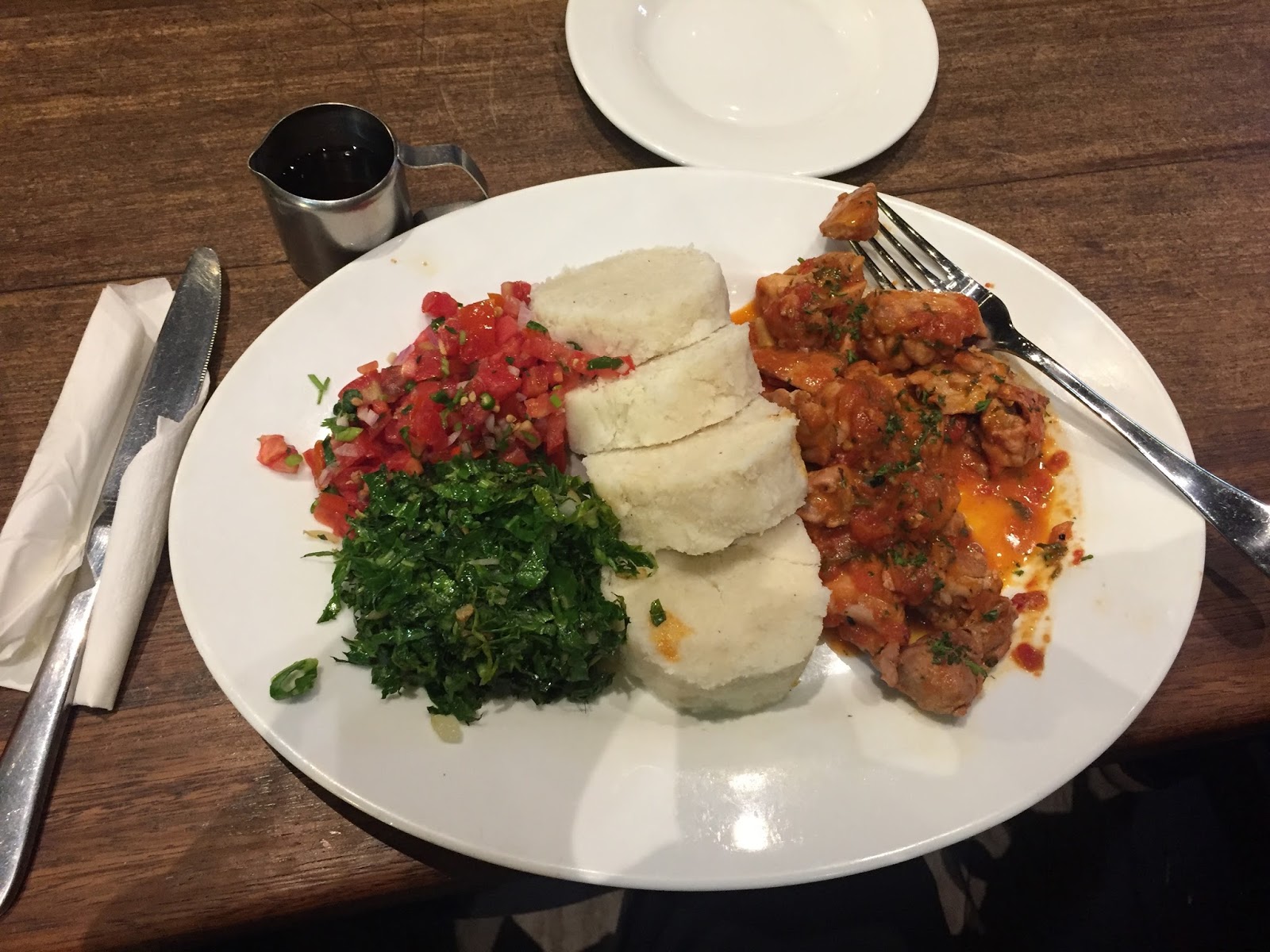
The most Kenyan food on the menu at the Nairobi airport Java House.  My last meal before taking off for home.

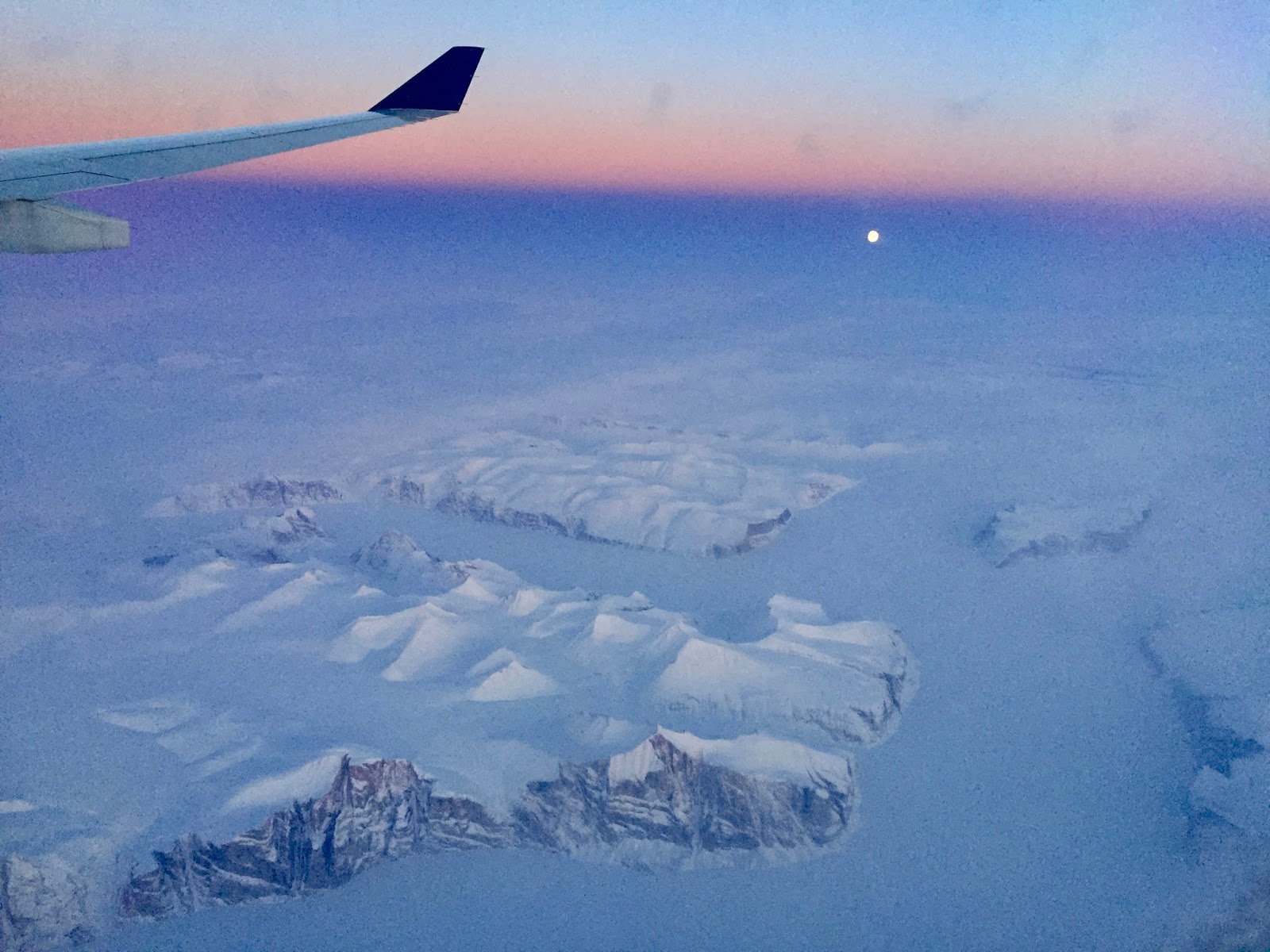
A peek at a wintry afternoon on Baffin Island with a full moon.

Saturday, February 3, 2018

The new processor!

During my rotation, the most exciting change in the laboratory was getting a new tissue processor.  For those who don't know much about anatomic pathology, making an accurate diagnosis for patients relies extensively on a technique that hasn't changed much since the 19th century:  hematoxylin and eosin stained histologic sections of human tissue specimens.  These are cut from fixed and processed tissue embedded in paraffin wax by histotechnologists.  The processing part requires a lengthy procedure, often done overnight.  It includes fixation of fresh tissue in formaldehyde solution (formalin), dehydration of the tissue with alcohols, clearing with xylene, and embedding the tissue in paraffin wax in a "block."  While the processing used to be done by hand long ago, there are many steps using solutions and solvents required in a modern tissue processing program, and clinical workflows tend to have a large number of specimens, so an automated machine is the norm.  Here is a decent source (from a big company...) that explains it for those who may not have much exposure: https://www.leicabiosystems.com/pathologyleaders/an-introduction-to-specimen-processing/

The old processor is on the right
Getting the the new one in the door.
Plug it in!  This model - the STP 120, can cost ~$25,000 if purchased new at full price per my online research, and it seems to be a cheaper alternative.
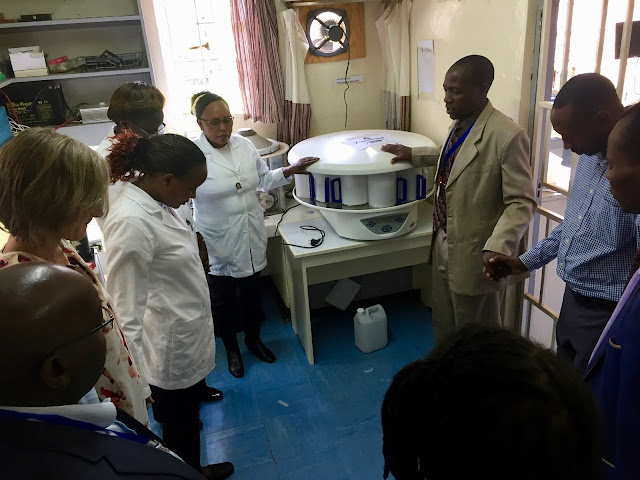
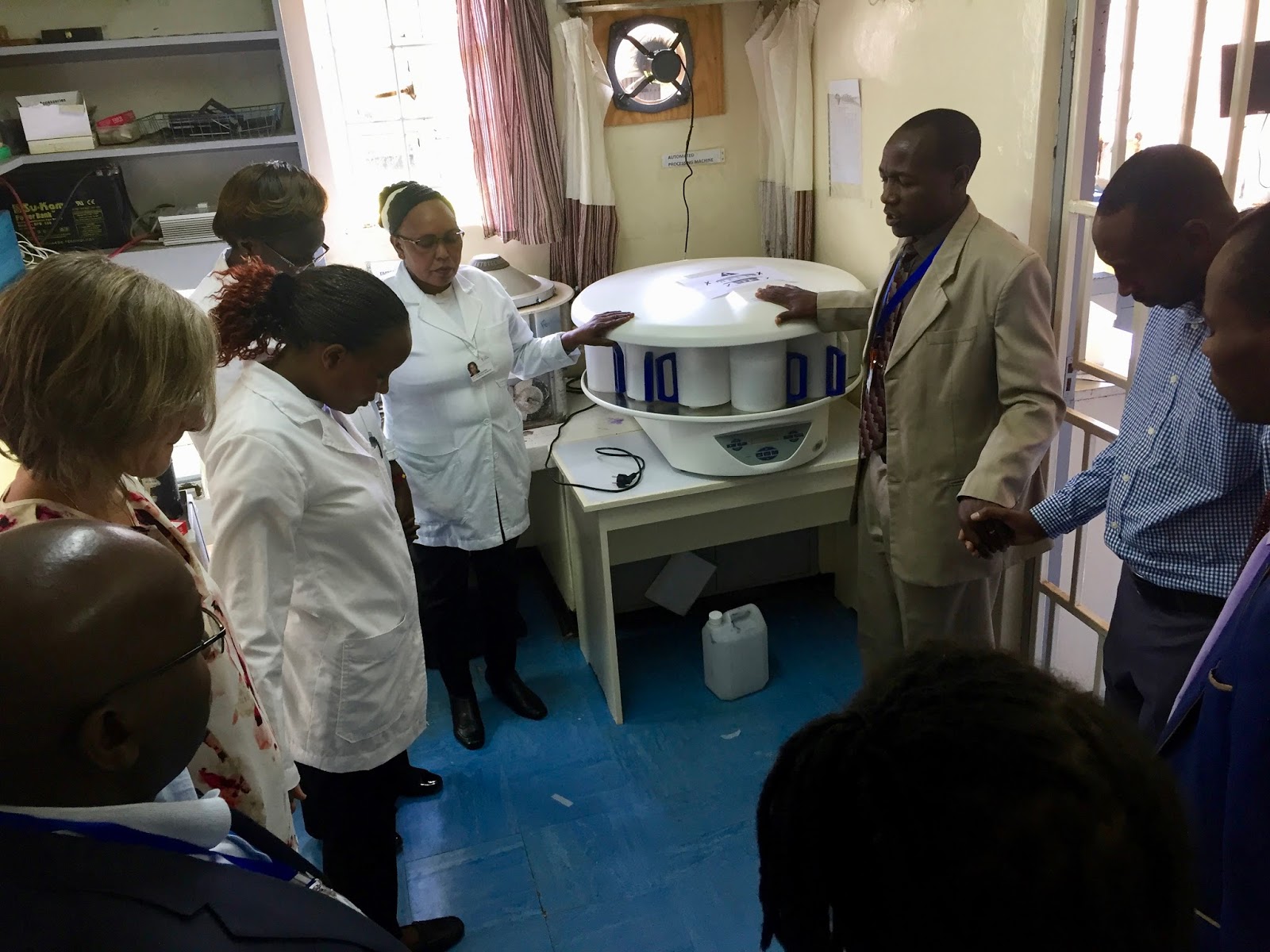
Dedication and prayer for the processor with hospital officials!  This usually does not happen at UWMC.
Lifting up the hood and showing the rotating baskets and solution containers or retorts.
Something you might have noticed with this processor (and the old one), if you've been around them before, is it looks a bit different.  Here's more what you might expect (from the Leicabiosystems site):Picture of a modern enclosed tissue processorYou are probably used to seeing an enclosed tissue processor such as this one.  All of the tissue is in one container (or retort) and the solutions are heated as needed and pumped into and out of the retort.  In the "dip and dunk" processors that we use in the Kijabe lab, the specimens are moved from solution to solution in a rotating carousel fashion.  These models don't have as many features for increased temperatures and pressures to reduce processing times and increase efficiency as the enclosed processors do, but they are less expensive and easier to maintain, making them a good choice for Kijabe's pathology lab where turnaround time is less valued and cost, reliability, and maintenance issues are more important.  I had never seen the dip and dunk design before, and I'm glad I got to help install and dedicate this shiny new piece of equipment!

Hooray for the new processor!  Best wishes, and may it serve the Kijabe lab well for many years.

The rest of the first adventure: Hell's Gate, Lake Naivasha, Monkeying Around

Let's finish off Hell's Gate day to complete the photo journey...


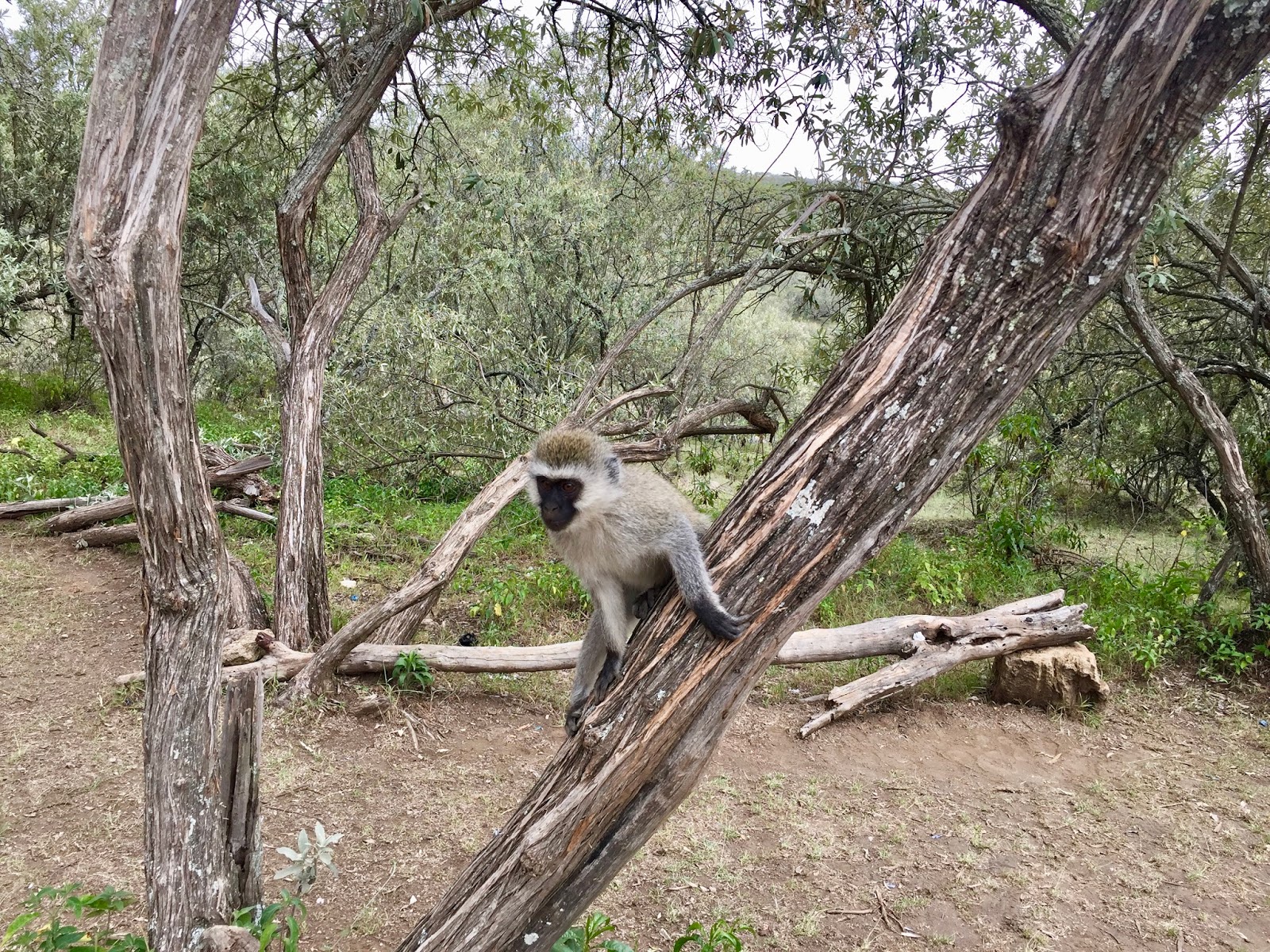
The Vervet Monkeys - the adorable scourge of the hell's gate picnic area and prolific stealers of food


This guy got ahold of Rochelle's tab can

Baboon Mom and Baby harassing another baboon

Awww

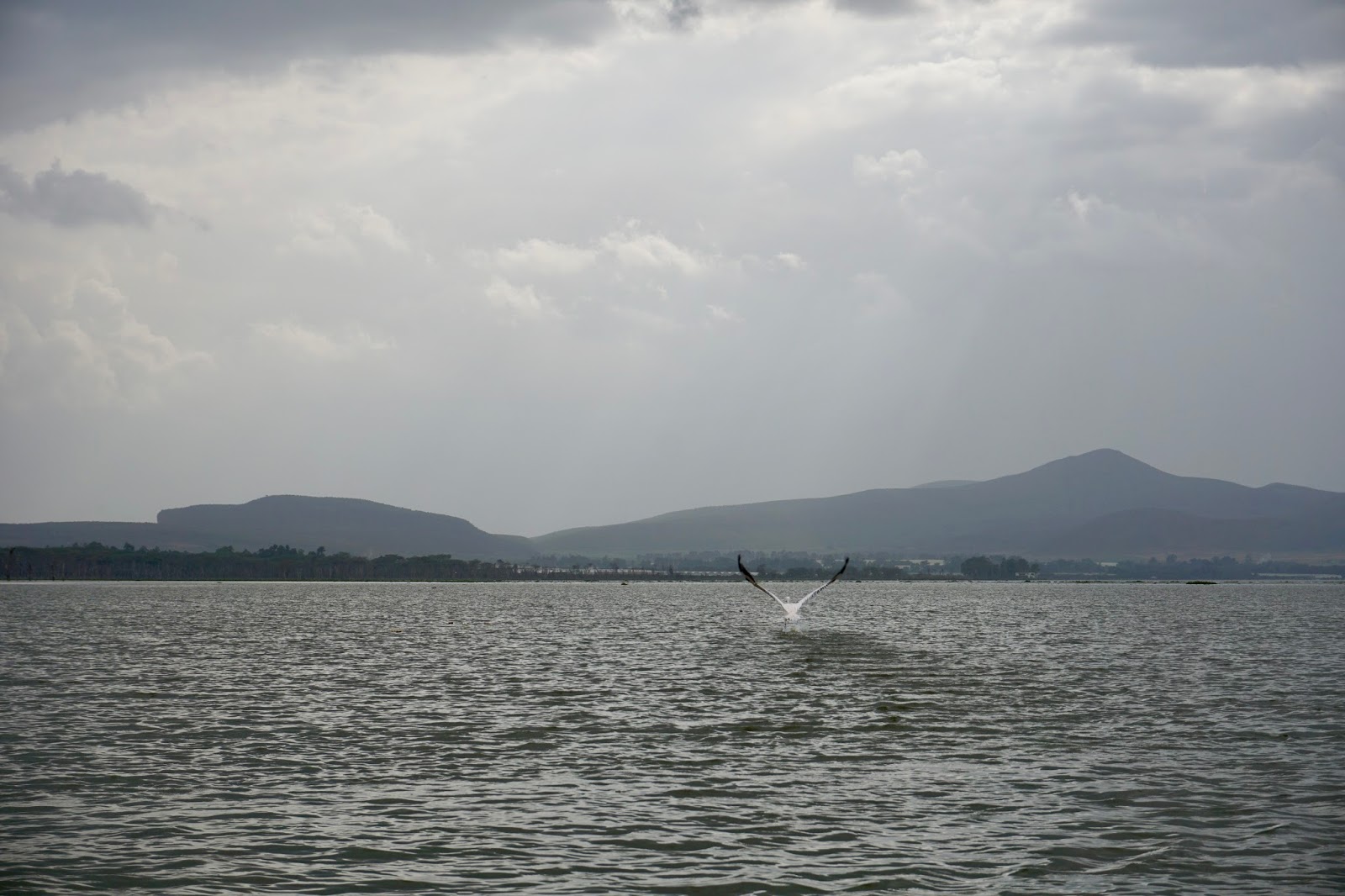
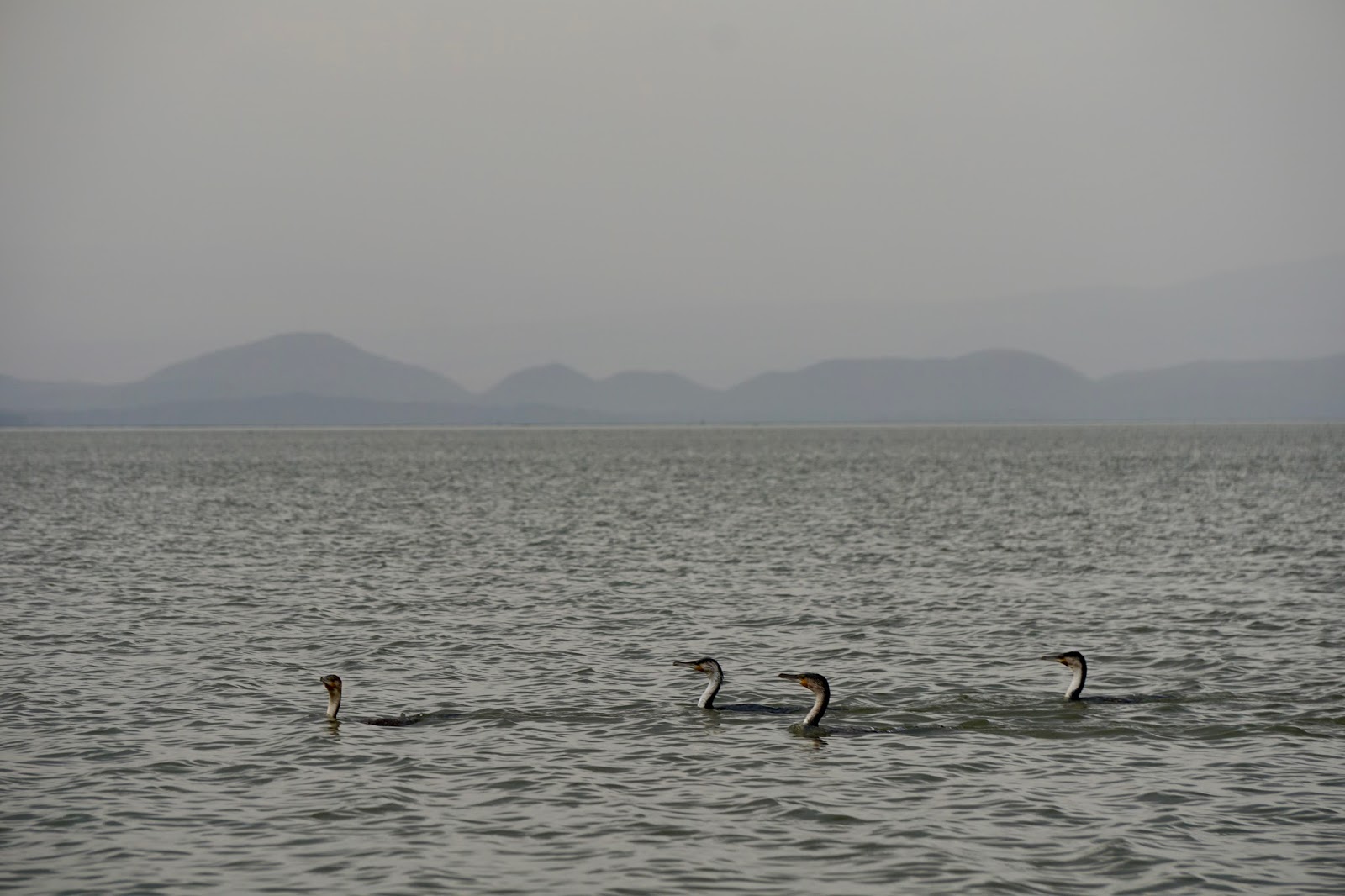
Out on Lake Naivasha


Hippos - actually the most dangerous animals in Africa to humans per the locals.  We kept a healthy distance.
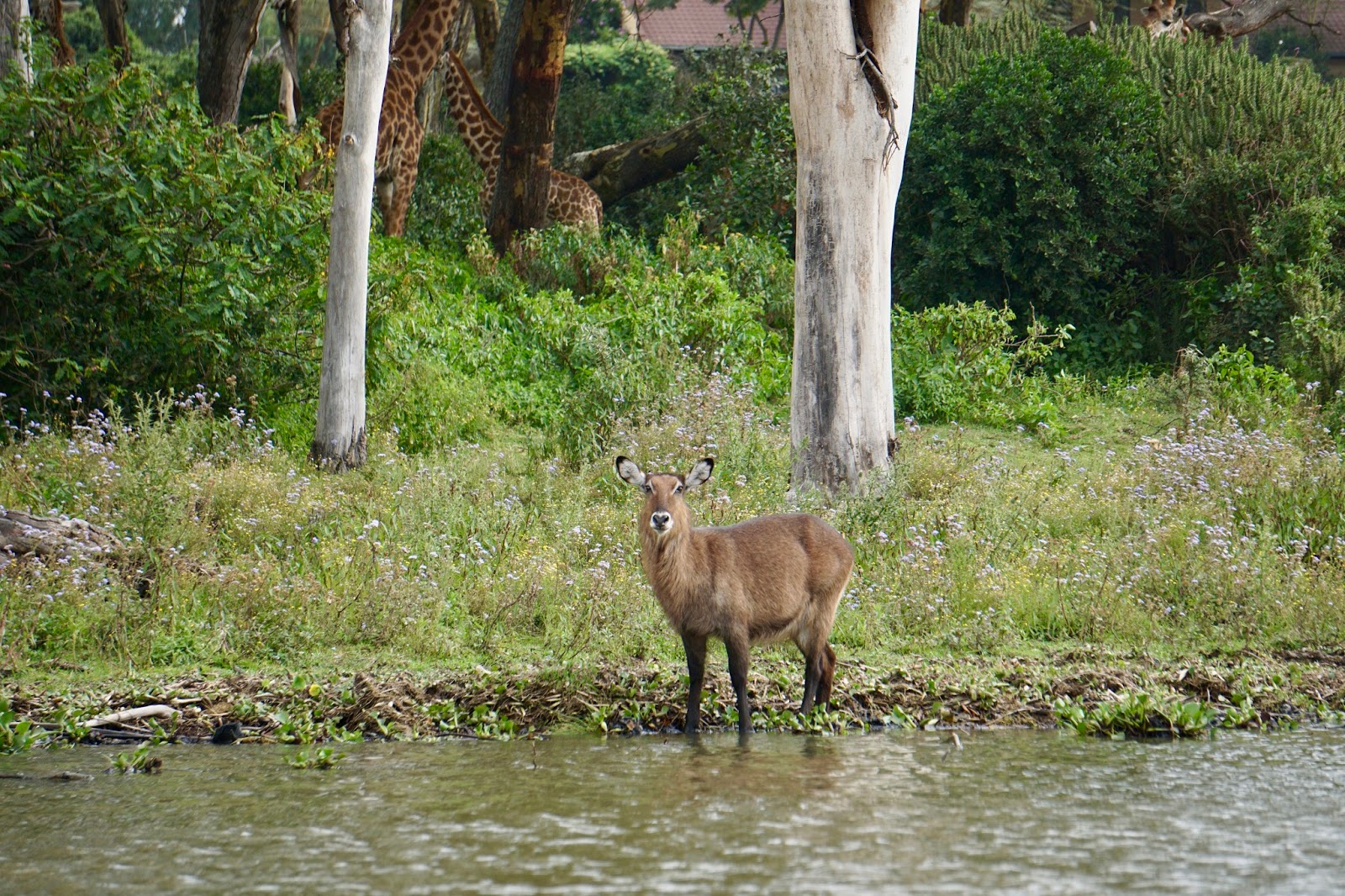
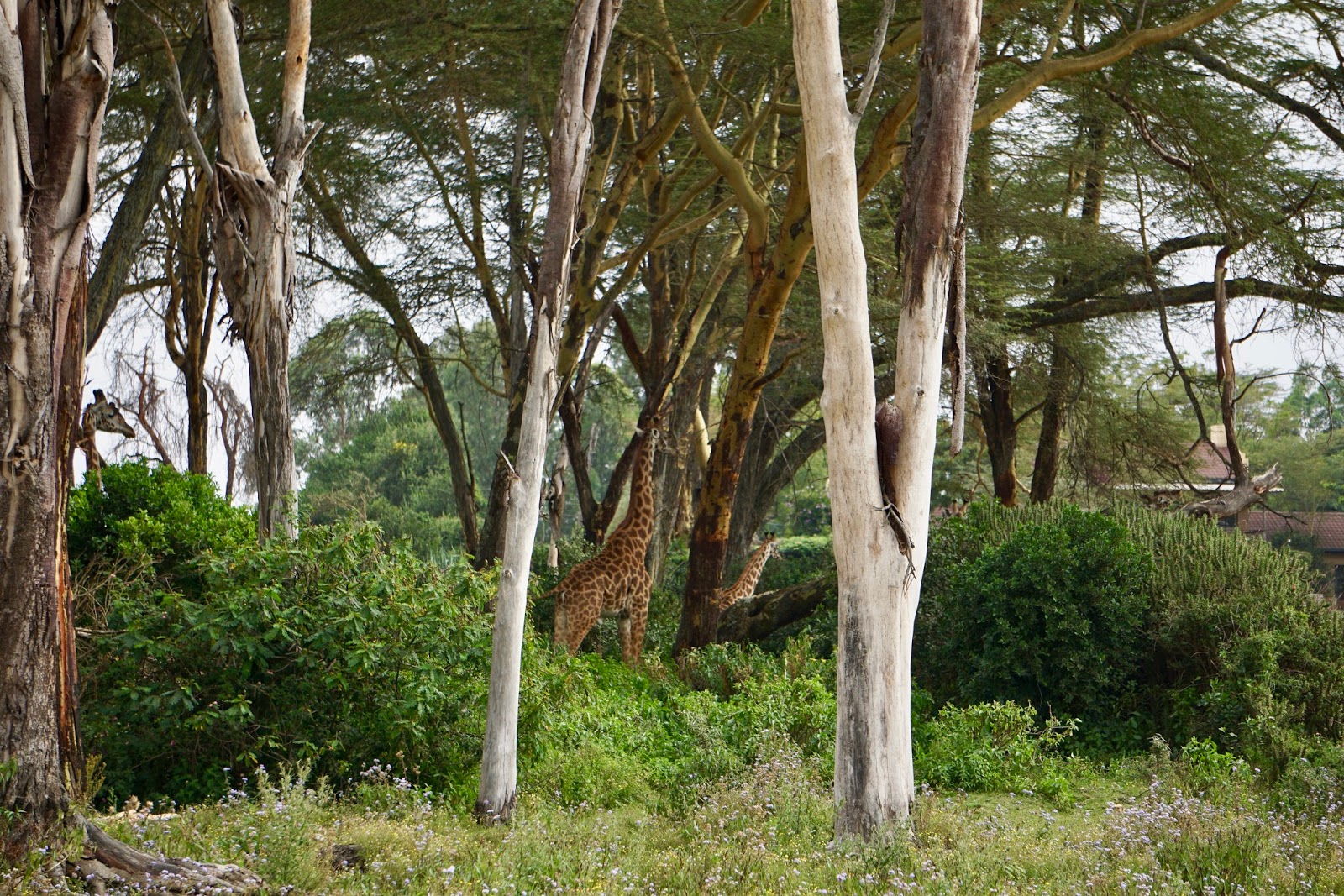
A waterbuck with giraffes in the background


This entire jungle scene was going on in somebody's backyard - probably a flower plantation owner.


Relaxation after an exciting day
It was actually a little cold for the pool.  We did swim though!
Getting ready to eat dinner
Fireplace at the safari lodge where we had dinner